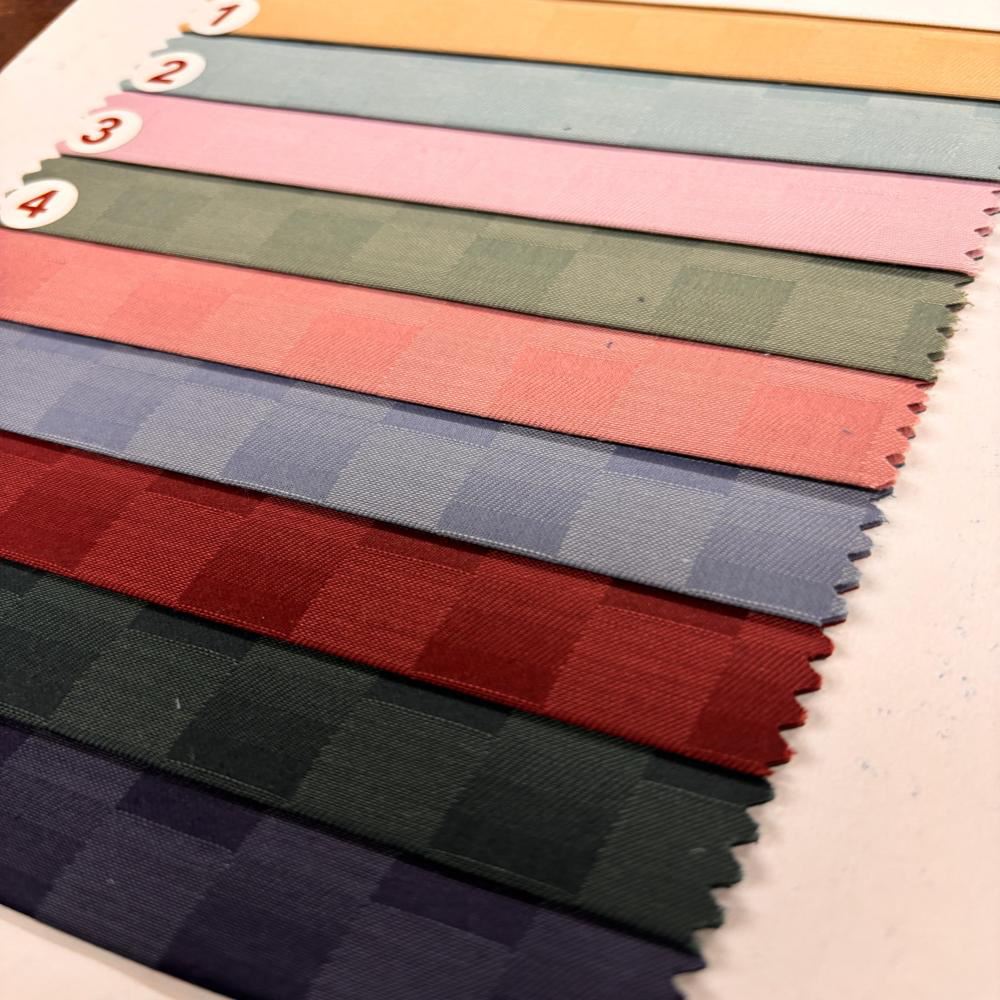
20 Recommended Suggestions for Buying Curtain Fabric in Lichfield, Birmingham and Walsall
Wiki Article
The Benefit Of Custom-Made Curtains: Why They Outshine The Ready-Made Curtains Everytime
The choice between curtains that are pre-made and those made to measure is usually presented as a choice of price or quality. This is a false assumption. Custom-made curtains are a completely distinct type of item. They're an innovative solution to your home that takes into account light, acoustics and proportion in a way that mass-production can't. They are not just decorative, they also act as environmental filters. They are precisely engineered starting with the fabric. This deep dive reveals 10 crucial, and often unnoticed advantages to the custom route.
The Top 10 Things You Should Know:
1. The "Reveal", the exactness of it: architectural integration on top of window treatments.
At the window, curtains that are ready to be made are set to hang. Custom-designed curtains are made to complement the style of the window. The "reveal", which is the precise distance between the curtain edge and frame when the window is opened is the most crucial measurement. Professionally-designed curtains calculate this to the millimetre, ensuring curtains stack back in a neat manner, without blocking light or view, and are perfectly aligned with architraves. This eliminates that awkward and sloppy hovering of normal sizes. The service is offered by Birmingham fabric stores that are experts in tracking and brackets.
2. The secret to professional drapery Silos "Fullness" The key to professional drapery silhouettes.
This is the most visually dramatic distinction. The ready-made panel is usually flat and has a width to rail ratio (fullness) that is at least 1:1. Fullness values of 2.5:1 or 2:1 is used when making curtains to order. This means for a 2-metre rail, you will need up to 5 meters of curtain fabric. This excess material is permanently pleated into the header. It makes luxurious and rich folds that flow in a consistent, natural cascade (called "the stack") and offers better light blocking. It is crucial to do precise calculations before purchasing fabric.
3. Fabric Sovereignty. The way out of the "Domestic Ghetto" for Performance Textiles.
The majority of curtain panels that are ready-made are constructed from a tiny collection of commercially produced "domestics" fabric. Customization opens the world of decorative and contract fabrics. It is possible to select upholstery fabrics for high light absorption and durability as well as delicate dresses like silky sheers to create a soft luminosity. To dampen sound, you can buy a wool of a heavier weight at a Birmingham counter or linen blends from a Lichfield shop to appreciate their textural quality and purity. You can choose the fiber weave, weave and finishing according to your style and performance needs. Not a factory’s cost-efficiency.
4. The Lining and Interlining Stratigraphy - Building a Multilayer Windows Engine.
Curtains made to order offer, at most, a basic attached liner. The sandwich-like structure of custom made curtains is the key to their success. The fabric used for the face is only the upper layer. A lining made of cotton provides stability and shields from UV fade. A soft, soft layer of synthetic or wool is sandwiched between the face and the lining. This gives the fabric bulk, body and unbeatable thermal and insulation from sound. The drape changes, even a medium-weight fabric is luxurious. This intricate assembly is an expert shop, moving beyond the single stitch constructions found in readymades.
5. Header Engineering: The Hidden Mechanism for Hang and Operation.
The curtain's engine is the head (where it has hooks). Ready-mades are constructed using normal tape and pre-spaced clips. Custom curtains make use of engineered headers: deep, hand-stitched pleats (like triple goblet, double, or triple) attached to a sturdy buckram base. It permits precise control of the pleat size, shape and thickness. This guarantees that they will sit well when opened, and will not buckle. The fabric weight, pole type, and the formality of the fabric are all important when choosing the type of header. The process of engineering a custom-made header is explained in detail by a highly recommended fabric shop designer.
6. The Hem Weighting Ritual The art of the perfect Perpendicular Fall.
A curtain with a an unbroken vertical line has been weighed. Custom makers can attach chains or lead weights to the hem corner and, sometimes, the side hems. It adds tension through pulling the fabric taut and against its own drag. This will eliminate any bows that are outward or inward. The curtain then falls in a single smooth plane from the ceiling to the floor. This tiny, but sometimes insignificant detail gives bespoke drapes their strong, authoritative presence in a living space.
7. Alchemy to transform flaws into benefits Problem-Window Alchemy.
Customisation can solve problems. Do you have a radiator under the sill of your window? A custom-designed solution will include a specific sill-length and an adjustable tie-back holdback for directing heat into the space. What about an attic windows with a slope? The curtain rail is made to fit the angle, and then the curtain is cut on a corresponding slope. How to make sure that a set of windows that are not compatible? It is possible to create a unifying curtain. Local Walsall makers who are well-versed in the various styles of Victorian terraces, modern extensions and different architectural styles within the area, are experts in creating these practical specific solutions for space.
8. The Local Ecosystem Activity from Fabric Bolts to Finished Installation.
Custom-made curtains are a way to build the local craft community. In the shop for fabrics, you might find the most vibrant print in Birmingham's Rag Market. You could also find soft linen in Lichfield. The fabric shop recommends a trusted drapery maker, who may subcontract to a metalworker or woodturner from the Jewellery Quarter in order to obtain an original pole. The designer contacts an installer with knowledge of the local wall styles. This hyper-locally-connected chain that is collaborative encourages craftsmanship, promotes accountability, and produces products that are deeply tied to local expertise, not the anonymous global chain of ready-mades.
9. The Longevity Equation Cleanability, Reparability and Adaptation.
Custom-made curtains are an excellent investment that can last for years to come, not just a few seasons. The curtains are designed to last. The curtain fabric is typically easily cleaned and not damaged. The stress points are reinforced, and seams are secured. If a window is damaged by sun only a small section of it can be remade by using the fabric left from the "cuttings" metres. If you move, a reliable maker will often modify the panels to accommodate new windows. This circular life cycle that is repairable is in sharp contrast to the pre-made disposable curtains which are replaced as soon when they start to fade.
10. The Intangible Weight Of Perfection.
Beyond the metrics, the benefit is a feeling. The smooth, silent glide along a perfectly balanced track. Absolute blackout that an interlined, floor-ceiling curtain provides. The way that the precisely calculated folds sculpt the afternoon light. It is certain that every aspect was planned, including the colour of the thread and the knot used to secure the clothing. It gives you a sense of comfort and calm. This is the result of carefully applied materials, creating an emotional connection to the place and the maker that a standard-sized cellophane panel cannot hope to duplicate. Take a look at the top rated dress fabric for site info including curtain in the window, curtain sizes, curtain poles and curtains, curtain fabric uk, blinds venetian blinds, custom window blinds, curtain fabric, curtain tracks, curtains uk, custom curtains and more.

One Stop Shop? What Should You Look For In A Retailer For Both Upholstery And Curtain Projects
The idea of having a single fabric retailer who can take care of both your upholstery needs as well as curtain requirements, is appealing. It promises efficiency, coordinated sourcing and expert knowledge. But the reality of the retail landscape, from Birmingham's warehouses to Lichfield's boutiques and Walsall's domestic stores--is that few are able to excel in both fields. Curtain making, upholstery and fabric specifications demand different technical and project management capabilities. In order to avoid the mythical universal service, savvy customers should look for companies that bridge these worlds using a set of tangible services. This guide will provide 10 key indicators that can be used to determine whether a fabric store is a good partner to your project. It can help you turn a complicated request into a successful and successful commission.
The Top 10 Things that You Should be aware of
1. The Dual-Specification Stock: Beyond Aesthetics for Performance Grading.
A hybrid retailer curates stock with clear performance grades. Look for labels that can be easily distinguished or staff members who accomplish it. For example, "This heavy Cotton twill is 90,000 Martindale Rub count, which is ideal for a living room sofa and its weight makes it a good choice for Roman blinds with the soft feel, however this tighter-weaved wool blend would work better for full length interlined curtains." They don't just show you stunning fabric, they also filter it to ensure that it is suitable for final use. Birmingham's trade counter is able to achieve this by sheer quantity However, the Lichfield shop can do it through highly selected, knowledge-driven curation.
2. The "Workroom liaison" service: More than just a vendor.
The primary function of a one-stop shop is to be a skilled mediator between you and a skilled maker. They should have established, trusted relationships not just with one seamstress of any kind, but with distinct workrooms: one that is specialized in high-end upholstery and the other for meticulously custom-made curtains. They are familiar with the specific requirements each trade is required to meet regarding fabric (seams allowance, pre-shrinking or grain direction) and will prepare your order accordingly. This triangulation of logistics is the primary benefit they provide that goes beyond selling fabric.
3. The Sample Library that includes both Contract Fabrics as well as Decorative Weaves.
Test their sample system. A shop that is designed for both will have two separate fabric libraries that are seamlessly integrated: One will be made of heavy-duty furniture fabrics (from brands like Momentum Linwood Kirkby, and Kirkby) while the other one will have decorative curtain or drapery fabrics. Cross-referencing allows them to take a similar velvet or linen from the drapery and upholstery sections, knowing precisely their weights. In Walsall it could be a more domestically-oriented and pragmatic range, while in Birmingham there is an extensive archive of commercial grade.
4. The Haberdashery - A Diagnostic Tool : Stocking Specialised Trims in Both Trades
Visit their display of haberdashery. It must serve both fields. This does not only include tapes and curtain threads, as well as upholstery-specific items that include different types of foam or wadding, different lengths of upholstery zippers as well as a variety of needles that are specifically designed for upholstery. The presence of these things indicates they are equipped to assist a client through the entire build process and not just make the initial design choice. A Lichfield shop may concentrate on the finer decorative trims for both, while an Birmingham retailer will have the basic industrial items.
5. The Consultation Begins with "Room Layout and Lifestyle."
If you present a dual project to someone else, the first question they ask shouldn't be just about style however, they should also be forensic. For upholstery: "Is this for a formal sitting area or a TV room for the family? Are there pets?" Curtains: "What's the window's aspect? Do you require dark or blackout?" They look at the fabric's functionalities first before focusing on the aesthetics. The holistic approach to the questions shows that they care about your fabric and not just how it will be utilized within your house. This type of conversation makes a good partner, regardless of whether they're located in a classy Lichfield showroom or a busy Birmingham one.
6. Transparency on "Made to Measure" as opposed to. "Off the Roll" Capabilities.
True hybrid retailers are honest in regards to what they can and are unable to create. The retailer could sell fabric for your DIY upholstery project but outsource only the curtain production. It could be the opposite direction. This is the key: they must be clear about their boundaries and follow a clearly defined, recommended process outsourcing this aspect. Be wary of shops who claim to complete everything in the backroom. Curtain making and upholstery require separate equipment and expertise.
7. The Technical Data - Fire Ratings Light Speed and Rub Counts.
For furniture and fire safety, the regulations (UK Furnishing Regulations and the Fire Safety Regulations) are legally legal and binding. In certain situations (rentals commercial), they are also critical. An experienced retailer will identify or provide the fabric's fire rating certification (e.g., BS5852 crib 5). Martindale rub numbers for upholstery as well as curtains with light fastness are also helpful. This technical proficiency is more likely found in Birmingham's trade-focused stores or the top-end Lichfield suppliers that deal with contract customers; it's an obvious sign of professionalism seriousness.
8. The "Project Buffer' Philosophy: Advising and Selling Safety Margins.
They'll always insist on an "safety-metre" or cut pieces. They'll recommend purchasing an extra half-metre to cover future cushions and repairs, pipe or. When making custom curtains they may recommend keeping the cuts and purchasing an additional pattern repeat. They are investing in the long-term viability of your project, anticipating future requirements and ensuring you are protected from dye-lot mismatches. This is a mindset of service that goes beyond a sale.
9. Regional Network Leverage to fill in the gaps.
Even the best hybrid store may not carry all the items you need. They can demonstrate their expertise by knowing which regional shops to send you to for all the other items. The storekeeper may say, "We've got the perfect upholstery fabric, but I would recommend this haberdasher from Lichfield to get the exquisite fringe on the curtains." The shop located on a specific street in Walsall offers the finest blackout lining at a reasonable cost. The confident signage demonstrates that they are an integral part of the whole ecosystem not just an isolated silo.
10. The Aesthetic Coordination across Disciplines: The "Whole Room" Eye.
Last but not least, can they coordinate the different projects to create one cohesive space? In the same way it is important to understand the way boucles will appear against a sateen drape. This means suggesting a contrasting cord on the couch that emphasizes a different color in the pattern of the curtains. Designers need eyes that see beyond the individual bolt and into the entire surrounding sensory experience. This blend of technical know-how along with logistical and aesthetic vision makes the unique one-stop shop.